
How Does a Standard Porta Potty Work?
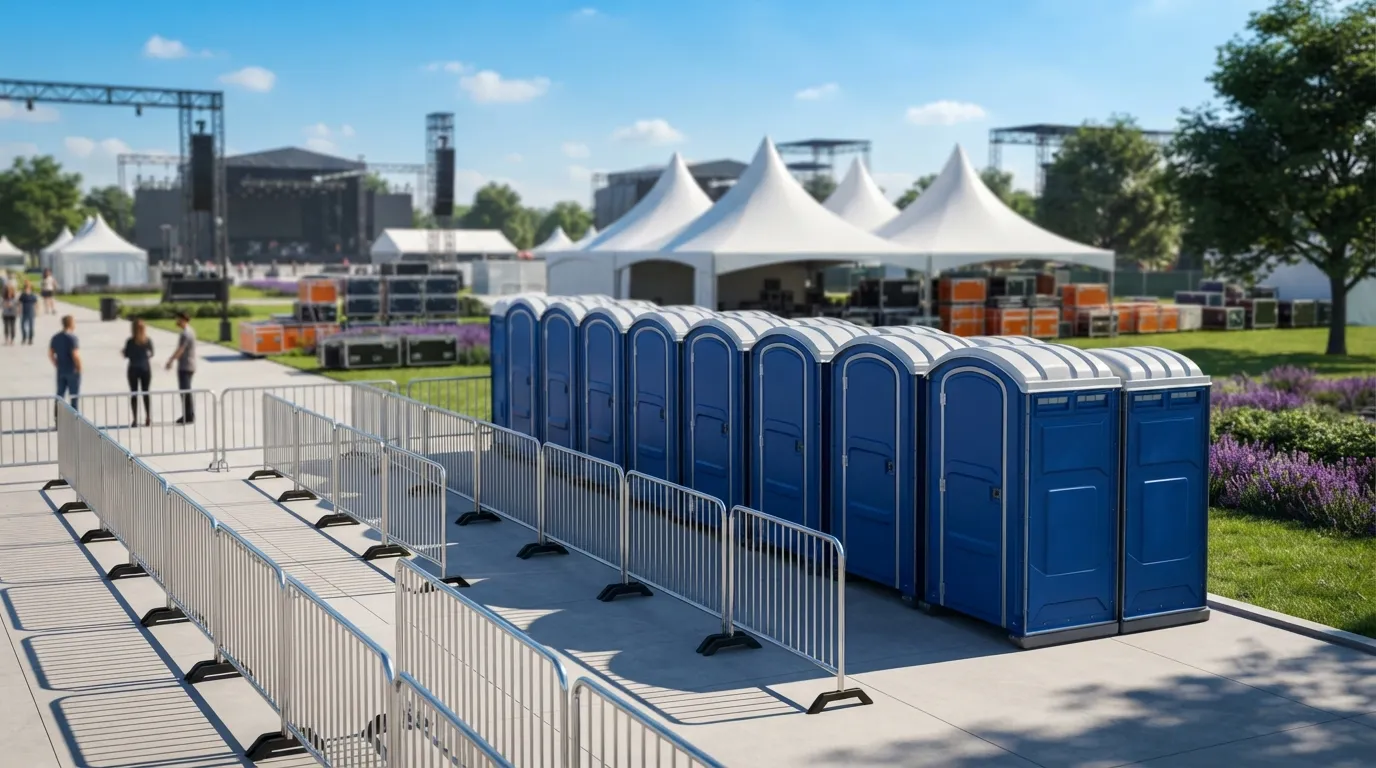
No flush, no pipes, no drama. The unit sits on a footprint of about 44 by 48 inches and stands roughly 92 inches tall, with the holding tank built into the base. Waste drops straight into the tank, where a blue chemical treatment controls odor and starts breaking down solids between service visits. There's no water tank feeding it, which is why you'll never see a porta potty freeze up mid-use the way a house pipe might. Standard porta potty rental covers most jobsites and backyard projects around Corona, and pricing runs by the day, week, or month depending on how long you need it. Service follows the ANSI/PSAI Z4.3 baseline of one visit per week for up to 10 users across a 40 hour week, though a busy crew doubles that fast. If you're trying to size a job, our how many porta potties do I need guide walks through worker counts and hours. Curious what any of this costs before you call? Check porta potty rental cost or the breakdown at porta potty rental per day.
How Do Flushable Porta Potties Work?
A flushable unit adds a small foot-pump or hand-pump flush that pulls fresh water from an onboard freshwater tank and pushes waste into a separate holding tank, keeping the bowl cleaner between uses than a standard unit. That's the core difference buyers are asking about with deluxe flushable porta potty options: two tanks instead of one, plus a flush mechanism, but still zero connection to city sewer lines. Weddings and corporate events in Corona lean toward these because guests notice the difference immediately. Some deluxe units also add a small sink using the same onboard freshwater supply, which answers the "how does a portable sink work" question too, since it's really the same pressurized-tank principle scaled down. For anyone planning a wedding, the wedding restroom rental and event restroom rental pages break out unit mixes by guest count. If you need something closer to a real bathroom, look at restroom trailer rental, which uses a pressurized water system and flush toilets, not the pump-tank setup of a standalone unit.
How Do Porta Potties Work on a Construction Site?
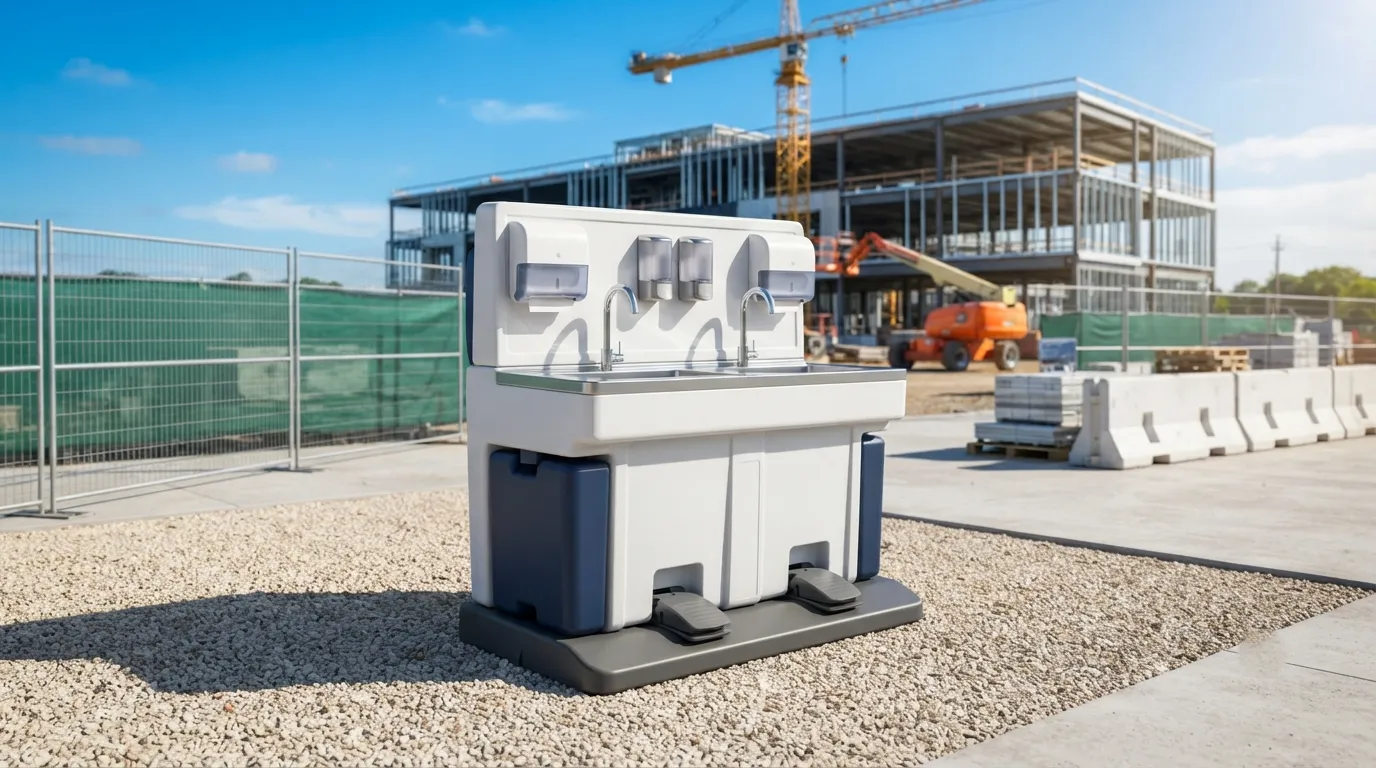
On a jobsite, unit count is driven by OSHA 1926.51(c), which sets 1 toilet for 20 workers or fewer, then 1 toilet and 1 urinal per 40 workers once the crew grows past that, scaling down to 1 per 50 at 200 or more workers. A construction worker running to a porta potty during a short break doesn't have time to walk far, so placement near the active work zone matters more than people expect; our porta potty placement guide covers clearance and ground stability. OSHA 1926.51(a)(1) also requires an adequate supply of potable water on site, which is a separate requirement from toilets and usually covered with a handwashing station rental or a portable sink rental. If your crew is spraying paints, coatings, herbicides, or insecticides, OSHA 1926.51(f)(1) kicks in and requires washing facilities specifically for that contaminant exposure, not just general handwashing. General contractors juggling all of this at once usually start at construction site services or construction dumpster rental to line up everything for a permit inspection in one trip. Full requirement detail lives at OSHA portable toilet requirements.
Do Camping Porta Potties Work the Same Way?
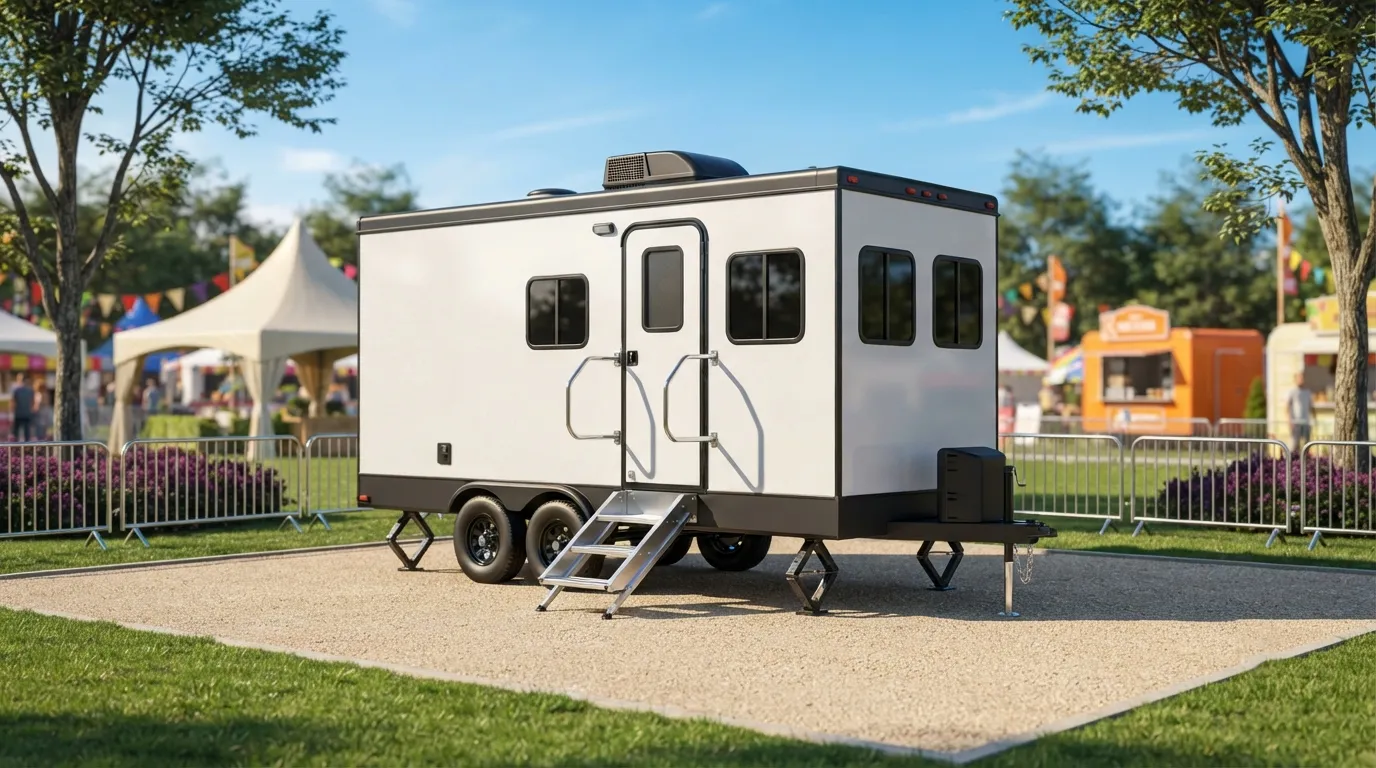
Yes, same tank-and-chemical principle, just smaller and self-contained for remote sites without road access. A camping unit is closer to a personal-size holding tank than the double-tank deluxe model, and it still relies on that same deodorizing chemical treatment to manage odor between empties. For events or campgrounds around Corona that need something durable but simple, camping porta potty options and porta john rental both work off this same base design. If your event needs accessible units too, ADA Standards section 213.2 requires at least 5 percent of clustered single-user toilets to be accessible, never fewer than one, and those ADA units need a 60 inch turning circle inside per section 304.3.1. See ADA accessible porta potty for specs on door width and clearance. Anyone hosting near Norco, about 5.2 miles north of Corona, or Eastvale, roughly 8.7 miles north, can check service areas for delivery coverage and timing.
What chemical is used in porta potty tanks?
A blue, non-toxic deodorizing chemical breaks down solids and controls odor inside the holding tank between service visits. It's not the same as septic tank cleaning chemicals used in a home system, which target a much larger tank and different bacteria balance. Our crews handle the chemical mix during every scheduled service.
How often does a porta potty get serviced?
The industry baseline under ANSI/PSAI Z4.3 is one visit per week for up to 10 users over a 40 hour week. High-traffic construction sites or multi-day events usually need more frequent service. See how often are porta potties cleaned for scheduling by job type.
Do porta potties need water or electricity hookups?
No. Standard units run on the tank-and-chemical system alone, with no water or power line required. Flushable and deluxe models carry their own small onboard freshwater tank for the flush and sink, still with no outside hookup. That's why placement is flexible almost anywhere on a lot.
Can a porta potty freeze in winter?
Cold weather slows the chemical breakdown and can freeze standing liquid in the tank during hard freezes. Corona's climate rarely sees extended deep freezes, but placement and service frequency still matter. Details are in porta potty in winter.
How is a flushable unit different from a restroom trailer?
A flushable porta potty adds a foot-pump flush and a small onboard tank inside a standard single unit footprint. A restroom trailer is a larger, multi-stall structure with real plumbing fixtures and often climate control. Compare both at restroom trailer rental cost.
Next step
Get a delivery date
Tell us the address, the dates and the headcount. We size the order and confirm the route.