
How Often Does a Septic Tank Need Pumping?
Every tank runs on its own clock. A 1,000 gallon tank serving a family of four fills differently than the same tank serving a household of eight, and that gap drives the schedule more than any calendar reminder. The general rule holds at 3 to 5 years for a typical residential system, but heavy laundry days, garbage disposal use and guest traffic all pull that window shorter. Corona Porta Pros checks scum and sludge layers at each visit and tells you honestly whether you can stretch another year or whether you're pushing it. Homes near Norco, 5.2 miles north, often run larger lots with older tanks installed decades back, and those systems tend to need a look sooner rather than later. If you've never had yours checked, start with septic tank cleaning or read through how often to pump a septic tank for the fuller breakdown. Waiting too long doesn't save money. It just moves the cost from a routine pump to a possible repair, and repairs cost more than septic tank pumping cost ever will on its own.
What Are the Warning Signs of a Full Septic Tank?
Slow drains, gurgling pipes and standing water near the drain field are the first signs most Corona homeowners notice, and by the time you smell sewage indoors, the tank is likely past full. Watch for grass that's greener and spongier over the drain field than the rest of the yard. That's often liquid surfacing because the tank can't absorb any more. Backups into tubs or the lowest drain in the house are a louder warning, and at that point you want emergency septic service rather than a scheduled slot. Sewage odor near the tank lid, especially after rain, is common too. For a fuller list of red flags before you're stuck, see septic tank warning signs. If you're managing a rental or commercial kitchen and the issue is grease rather than solids, that's a different problem entirely and calls for grease trap pumping, since a grease interceptor is pumped once fats, oils, grease and solids reach 25 percent of the liquid depth, not on a fixed calendar like a residential tank.
What Does a Septic Pumping Service Include?
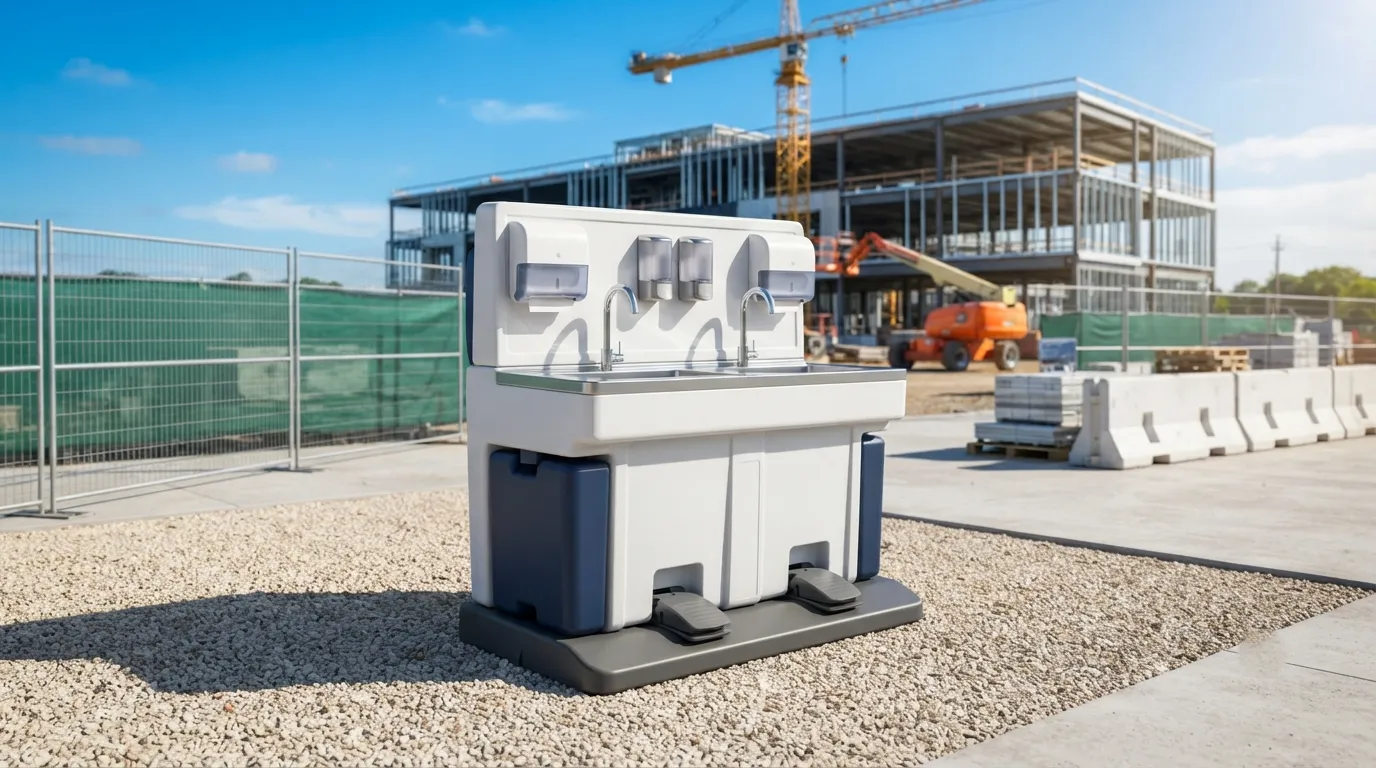
A standard visit covers locating and uncovering the tank lid, pumping out solids and liquids, and a quick check of the baffles and tank walls for cracks or wear. Corona Porta Pros hauls the waste to a licensed disposal site and leaves the yard the way it found it. If your tank hasn't been serviced in years, expect a bit of digging first since older lids are sometimes buried under sod or landscaping added later. Some visits turn into septic tank cleaning rather than a straight pump, particularly when sludge has built past normal levels. For properties without a permanent septic system at all, like a construction site or a remote lot, a holding tank rental covers the gap until permanent plumbing goes in. Commercial kitchens and restaurants around Corona typically need their own separate service since grease interceptors don't run on the same schedule as a house tank; that's covered under grease trap pumping rather than standard pumping. Every job gets documented so you have a record for resale disclosures or future scheduling.

How Much Does Septic Tank Pumping Cost?
Pricing depends mostly on tank size, access and how long it's been since the last service. A standard day-rate pump job runs in the range below, and weekend service carries a premium since it usually means pulling a crew off another route.
| service | duration | typical range |
|---|---|---|
| septic pumping | day | $150 to $300 |
| septic pumping | weekend | $50 to $150 |
Weekend pricing above reflects a smaller callout fee structure separate from a full day rate, and which one applies depends on scope. A straightforward 1,000 gallon tank pump on a weekday sits toward the lower end of the day range, while a tank that's overdue, hard to access, or buried under pavers runs toward the top. For a broader comparison across service types, septic tank pumping cost walks through what changes the number. If you're comparing this against portable sanitation costs for a job site instead, porta potty rental cost and porta potty rental per day cover that separately. Homeowners near Eastvale, 8.7 miles north sometimes bundle a septic pump with a home renovation project, and in those cases a home renovation porta potty on site keeps crews out of the house bathroom entirely.
What Is a Holding Tank and When Do You Need One?
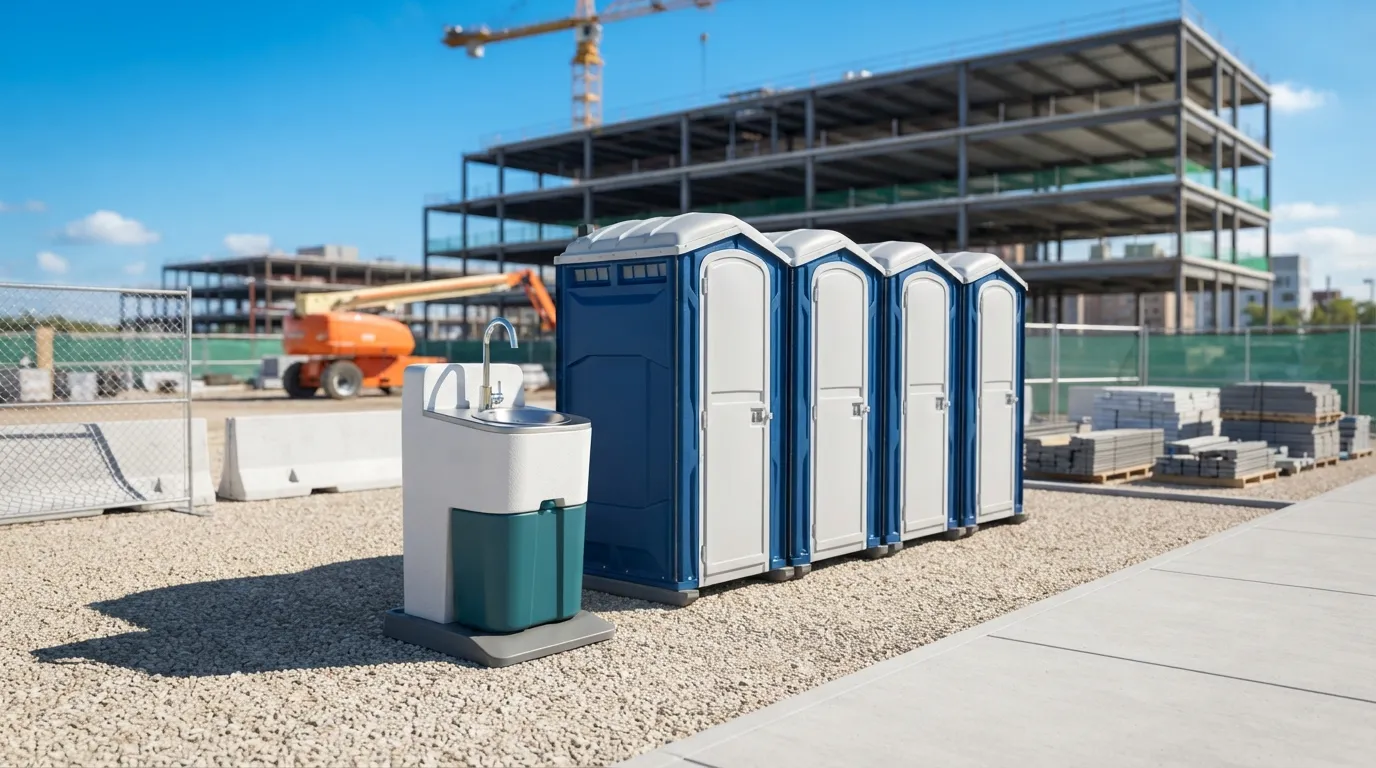
A holding tank is a sealed tank with no drain field, built to store wastewater until it's pumped out, and it's the right call when a property has no septic system or the existing one is offline for repair. Construction sites, remote job sites and properties mid-renovation all lean on holding tanks rather than a permanent system. Corona Porta Pros services holding tank rental units on a set pumping schedule, similar in spirit to the baseline service interval described in ANSI/PSAI Z4.3 for portable sanitation, though a holding tank's frequency depends on tank size and usage rather than a fixed weekly rule. If you're setting up a job site in Corona and need both sanitation and waste holding sorted at once, look at construction site services or start from portable toilet rental for the fuller list of what's available. Farms and agricultural operations often need a similar setup; see farm and agricultural restrooms for that specific case, since field sanitation for hand-labor employees falls under OSHA 1928.110, requiring one facility per 20 employees within a quarter mile walk.
Is Emergency Septic Service Available in Corona?
Yes. A backed-up tank doesn't wait for a Monday appointment, and Corona Porta Pros runs emergency septic service for exactly that. A tank that's overflowing, backing into the house, or surfacing in the yard needs same-day attention, not a slot next week. Corona sits inland enough that septic systems here deal with dry summer soil and occasional heavy winter rain, both of which stress an aging tank differently. If you're near Coronita, 4.7 miles west or out toward Jurupa Valley, 16.5 miles northeast, response still runs same day for genuine emergencies. For anyone unsure whether their situation counts as urgent, the warning signs covered under septic tank warning signs are a good gut check before you call. Disaster situations involving sanitation failure at scale, like flooding that knocks out multiple systems at once, fall under disaster relief sanitation rather than a single-property emergency call.
How much does a 1,000 gallon septic tank pumping cost?
A typical pump job for a 1,000 gallon tank falls within the day-rate range of $150 to $300, depending on access and how full the tank is. Tanks that are heavily overdue or hard to reach run toward the higher end. See septic tank pumping cost for the full breakdown by scenario.
How do I know if my septic tank needs pumping now?
Slow drains, gurgling toilets, sewage smell near the tank lid, or standing water over the drain field all point to a tank that's full or close to it. Don't wait for a backup indoors. Check septic tank warning signs for the complete list before scheduling.
Can Corona Porta Pros handle a septic emergency same day?
Yes, for genuine backups and overflows, emergency septic service runs same day across Corona. Call as soon as you notice backup or standing wastewater rather than waiting to see if it clears on its own.
What's the difference between septic pumping and septic cleaning?
Pumping removes liquid and solids from the tank; cleaning goes further, breaking up and removing built-up sludge along the tank walls and baffles. If pumping alone hasn't solved slow drains, septic tank cleaning is likely the next step.
Do I need a holding tank if my septic system fails?
If your system is offline for repair or a property has no permanent septic system, a holding tank rental covers wastewater storage until things are fixed or installed. It's common on construction sites and during major repairs.
How often should a grease trap be pumped compared to a septic tank?
A grease interceptor is pumped once fats, oils, grease and solids reach 25 percent of the liquid depth, which can happen far faster than a residential tank's 3 to 5 year cycle. Restaurants should check grease trap pumping schedules more often than homeowners check their septic tank.
Next step
Get a delivery date
Tell us the address, the dates and the headcount. We size the order and confirm the route.