
How Much Does Septic Tank Pumping Cost?
Most homeowners in Corona pay between $150 and $300 for a routine pumping visit, and that band covers the typical 1,000 gallon residential tank. If you need weekend service, expect a separate rate of $50 to $150, since crews charge more to work outside normal days, similar to how emergency porta potty rental rates run higher for rush calls. The exact number depends on tank size, how deep the tank sits, and whether the lid needs digging out or already has a riser installed. A tank that has not been serviced in years and is packed with solids takes longer to clean, and that adds to the bill. For homes further out, like septic pumping in Norco, 5.2 miles north of Corona, drive time can factor into the quote too. If you are budgeting ahead, our septic pumping service page breaks down what a standard visit includes, and septic tank cleaning covers the difference between pumping and a full clean-out.
| service | duration | low | typical | high |
|---|---|---|---|---|
| septic pumping | day | $150 | $250 | $300 |
| septic pumping | weekend | $50 | $150 | $150 |
What Drives Septic Tank Cleaning Prices Up or Down?
Access is the biggest swing factor. A tank buried under pavers or landscaping costs more to reach than one with a clean riser at grade. Tank size matters too. A 1,000 gallon tank is standard for most single-family homes in Corona, and it is typically pumped every 3 to 5 years, driven by tank size and household size. Homes with more people or older systems may need service closer to the 3-year mark, much like heavier-use job sites need a construction site services plan built around volume rather than a fixed schedule. If your tank has never been pumped, or you are not sure when it was last done, our how often to pump a septic tank page walks through the signs that tell you it is time. Grease and solids buildup also plays a role, similar to how a grease interceptor needs pumping once fats, oils, grease and solids reach 25 percent of the liquid depth. That same logic applies to a septic tank packed with sludge: the fuller it is, the longer the job takes, and the more it costs, the same principle that drives pricing on our septic tank pumping cost comparison page.
When Should I Schedule Septic Pumping in Corona?
Schedule before you see the warning signs, not after. Slow drains, gurgling pipes, or standing water near the drain field usually mean the tank is already overdue. Our septic tank warning signs page lists what to watch for, and catching it early keeps the job a routine pump instead of an emergency dig, the same reason disaster relief sanitation plans favor scheduling ahead of a failure. If you are already past those signs, emergency septic service covers same-day and rush calls. Homeowners in Coronita, about 4.7 miles west of Corona, and Eastvale, roughly 8.7 miles north, run into the same seasonal patterns: heavy rain years push more tanks into overflow because saturated soil slows drainage, a pattern also worth checking against our service areas coverage map. Planning pumping on a 3 to 5 year cycle, rather than waiting for a backup, tends to cost less overall because it avoids the higher rates tied to rush jobs and after-hours calls.

Is a 1,000 Gallon Septic Tank Pumping Cost Different From a Bigger Tank?
Yes. Larger tanks, especially those serving bigger households or commercial properties, take longer to pump and often need a bigger truck, which pushes the price toward the higher end of the range. A standard 1,000 gallon residential tank sits at the lower to middle part of the $150 to $300 band, roughly in line with a standard-day rate for a standard porta potty rental on the same job site. If your property uses a holding tank instead of a septic system, that is a different setup entirely, and our holding tank rental page covers pricing and use cases for that. Commercial kitchens have their own maintenance schedule tied to grease buildup rather than a fixed year cycle, and our grease trap pumping page explains how that differs from residential septic service. If you are unsure which category your property falls into, it is worth asking the provider before scheduling, since access requirements and truck size both affect the quote, the same way a dumpster rental cost estimate depends on placement and container size.
Do I Need a Permit for Septic Tank Pumping in Corona?
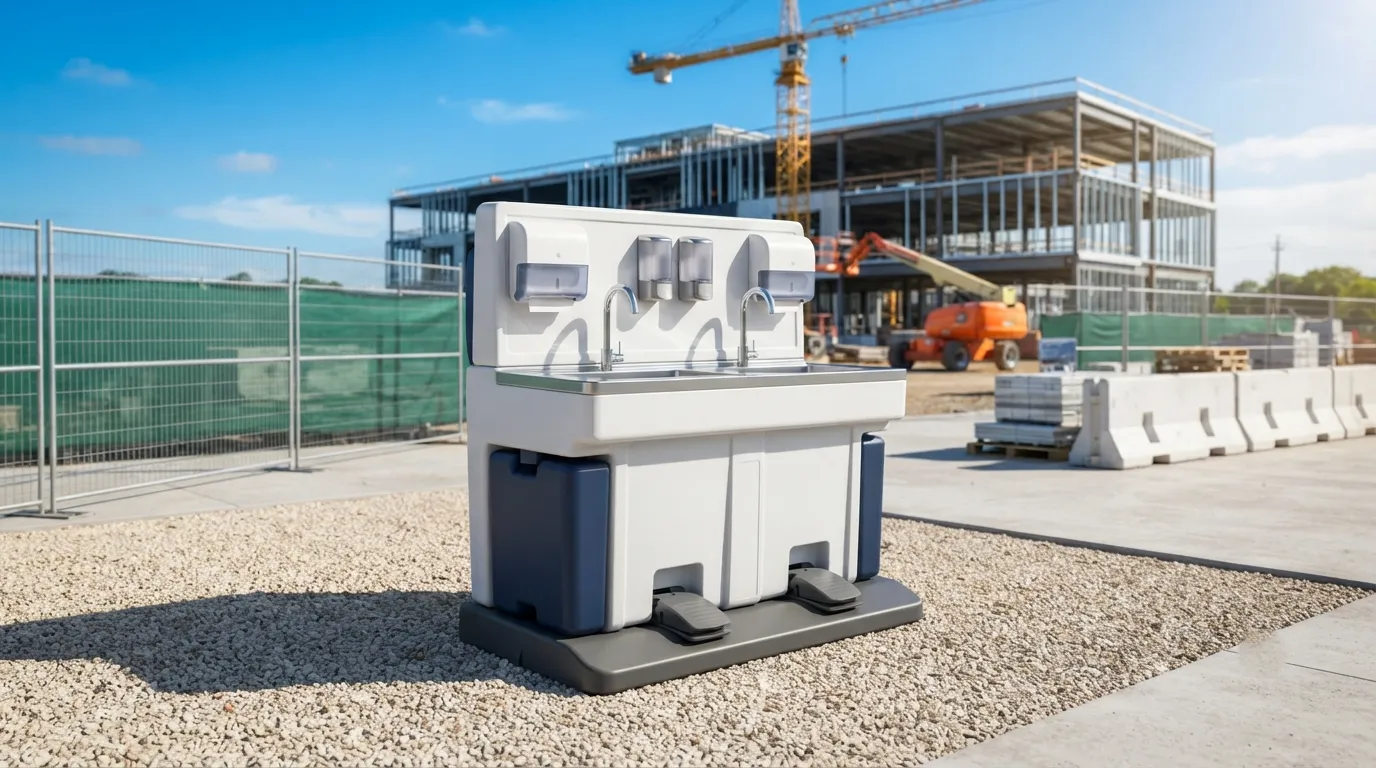
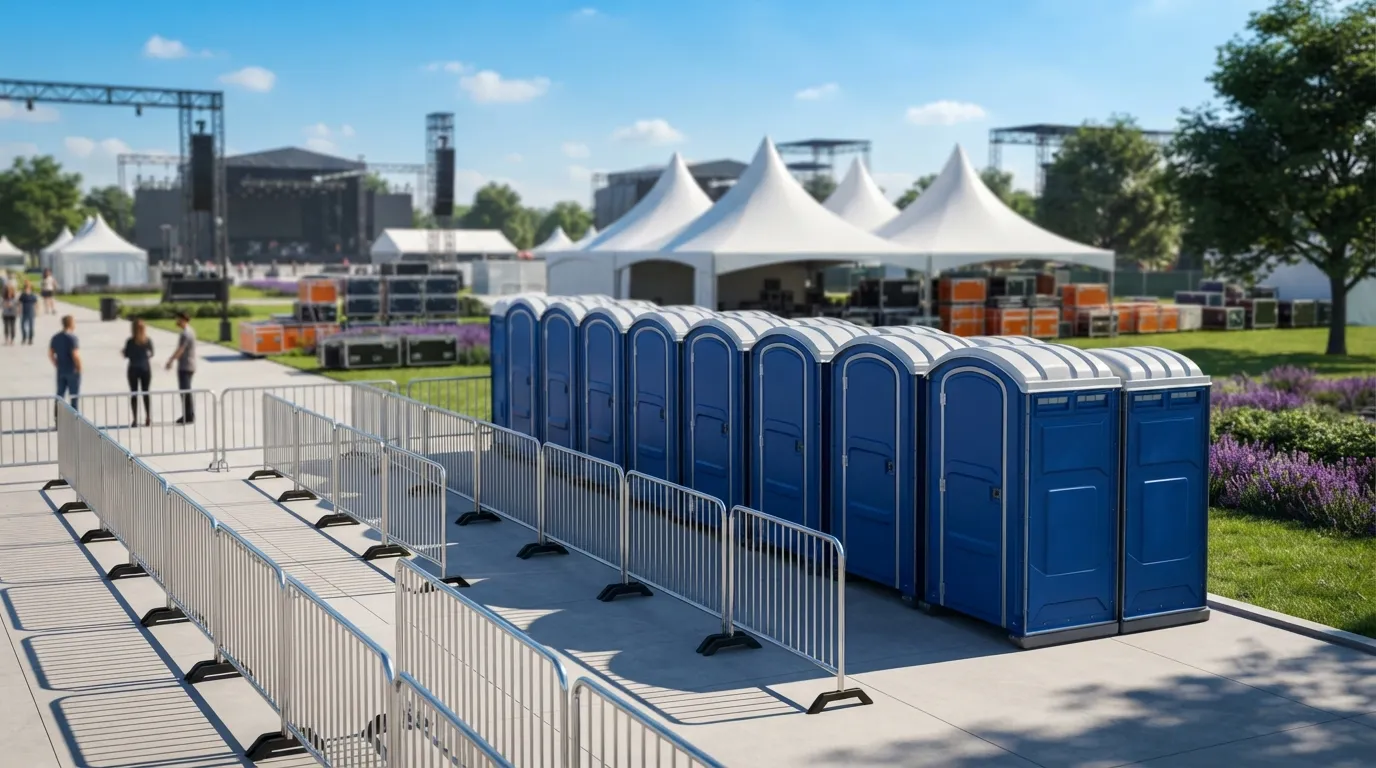
Routine pumping generally does not require a permit, but any repair, tank replacement, or new system installation should be confirmed with the city before work starts. Corona has its own process for septic-related permits, and rules vary by property and system type, so it is worth a call to the city rather than assuming, and our porta potty rental checklist covers other permitting steps worth confirming early. This is separate from portable sanitation permitting, which is its own topic covered on our porta potty permit requirements page. If your project involves temporary facilities during a septic repair, like a construction dumpster to haul out old tank materials or excavated soil, our roll-off dumpster rental and construction dumpster rental pages cover options for that. For sites needing a portable restroom while the main system is offline, portable restroom rental and portable toilet rental are worth checking, especially if the repair takes more than a day, and a handwashing station rental covers hygiene needs while the bathroom is out of service.
How much does septic tank pumping cost in Corona?
Most residential jobs run $150 to $300 for a standard 1,000 gallon tank, based on measured local pricing. Weekend service adds a separate charge of $50 to $150. Final cost depends on tank size, access, and how much buildup has accumulated since the last pump.
How often should I pump my septic tank?
A typical 1,000 gallon residential tank needs pumping every 3 to 5 years, depending on household size and tank capacity. Larger households or older systems may need service closer to the 3-year mark. Waiting past warning signs like slow drains usually costs more.
What is included in a septic tank pumping visit?
A standard visit includes locating and opening the tank, pumping out solids and liquid, and a basic check of tank condition. Some providers note sludge levels or flag issues like cracks or a failing baffle. Ask up front what your quote covers.
Is septic pumping cheaper than waiting for an emergency?
Yes, generally. Scheduled pumping falls in the standard day-rate range, while emergency or backup situations often mean rush fees and after-hours rates. Planning on a 3 to 5 year cycle avoids the higher costs tied to urgent same-day calls.
Does tank size change the price?
Yes. A standard 1,000 gallon tank sits in the typical range, while larger or harder-to-access tanks push costs higher. Commercial systems and grease interceptors follow different maintenance schedules tied to buildup levels rather than a fixed calendar.
Next step
Get a delivery date
Tell us the address, the dates and the headcount. We size the order and confirm the route.