
How Often Does A Septic Tank Need Cleaning?
The honest answer: it depends on load, not the calendar. A septic pumping service in Corona will tell you the same thing every time, because tank size and household size drive the schedule more than anything else. A residential septic tank is typically pumped every 3 to 5 years, and that window comes straight from tank capacity versus daily water use. A two person household on a 1,500 gallon tank can push toward the 5 year end. A six person household on a 1,000 gallon tank should plan closer to 3. If you run garbage disposals hard or do a lot of laundry, shorten that window. Homeowners near Coronita, 4.7 miles west of Corona, often ask us to check sooner if they notice slow drains. That is a fair instinct. Watching for septic tank warning signs between scheduled visits catches problems before they become expensive ones. If you are not sure what your tank holds or when it was last serviced, septic tank cleaning starts with a measurement, not a guess.
What Determines Septic Tank Cleaning Frequency?
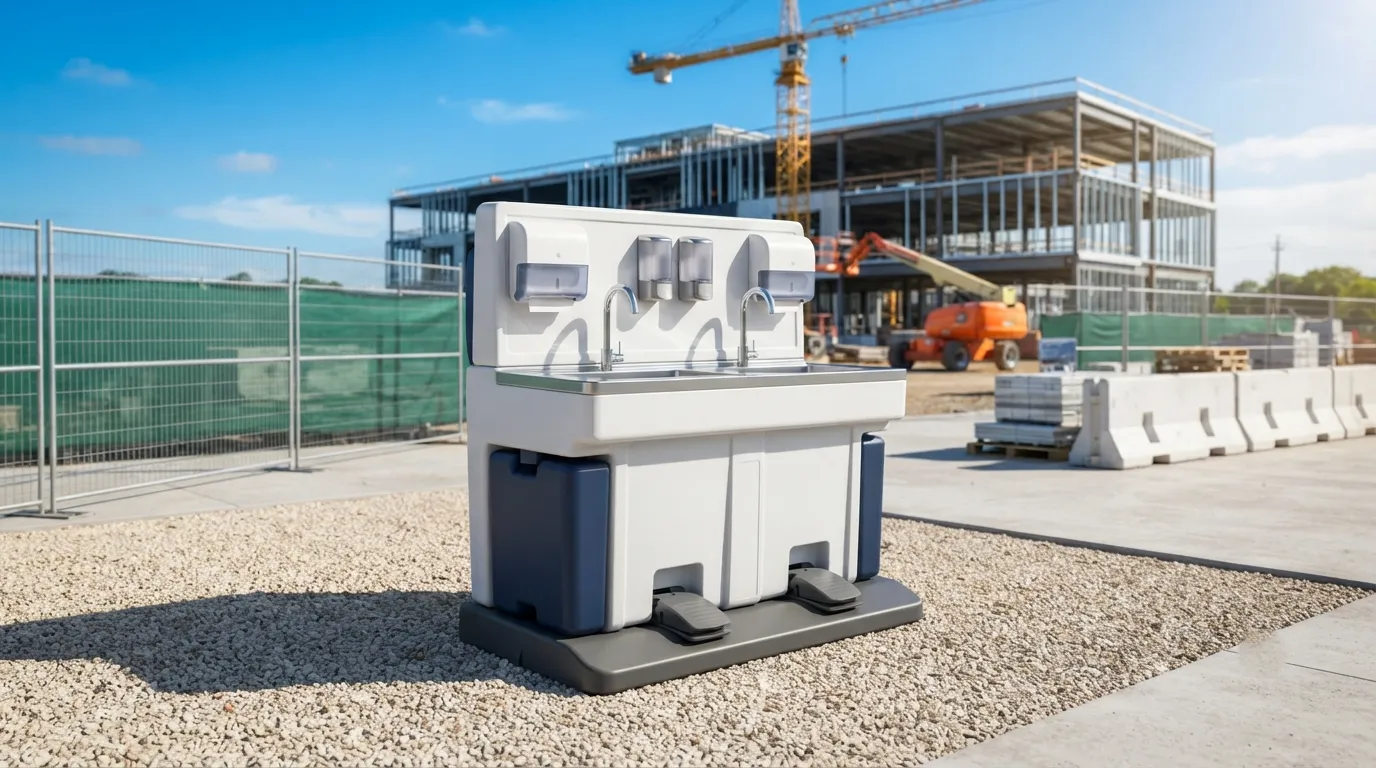
Three things matter: tank size, household size, and what goes down the drain. A 1,000 gallon tank pumped every 3 to 5 years is the baseline most Corona properties fall into, but a larger household or a smaller tank moves that number down fast. Grease, wipes, and heavy solids fill a tank quicker than normal use predicts. If you run a home business with a commercial kitchen, that is a different animal entirely. A grease interceptor gets pumped once fats, oils, grease and solids reach 25 percent of the liquid depth, and grease trap pumping needs its own schedule separate from your residential tank. Renovation projects add stress too. A crew doing a kitchen remodel dumps more into the system, and pairing a home renovation porta potty with the job site keeps contractor traffic off your home bathroom entirely. For construction sites with a full crew, OSHA 1926.51(c) sets toilet counts by worker headcount, and that standard has nothing to do with your home septic tank, but it matters if you are running a build near Norco, 5.2 miles north of Corona.
Why Does Tank Size Change The Schedule?
A bigger tank holds more solids before it needs emptying, plain and simple. That is why two households of the same size on different tank sizes end up on different pumping calendars. If your Corona property was built decades ago, the tank might be smaller than what current builders install, which means more frequent service. If you are unsure what you have, a septic tank pumping cost estimate usually starts with a tank size check. Homes near Eastvale, 8.7 miles north of Corona, tend to run larger lots and larger tanks, which stretches the interval toward 5 years for a typical household. On the flip side, a full house with teenagers doing daily laundry loads can overwhelm even a well sized tank. Anyone weighing whether to fix an aging system or replace it should know that OSHA has no bearing here, since OSHA 1926.51(a)(1) covers potable water supply on job sites, not home wastewater systems. It is a different set of rules entirely, and mixing them up leads homeowners down the wrong research path.

Is There A Faster Way To Handle An Overdue Tank?
Yes, and waiting past your service window is the one thing to avoid. A tank that has gone years past its 3 to 5 year mark risks backup into the house, which costs far more to fix than a routine pump. Corona homeowners in that spot should call for emergency septic service rather than wait for a scheduled slot. If your household is hosting an event and the septic system cannot handle the extra load, renting a separate unit takes the pressure off. A holding tank rental or standard unit from portable toilet rental covers guest overflow without stressing your home system. For weekend gatherings, a septic day rate runs in a set range, and a standard portable unit rented for a single day falls in a separate, lower band than a week long rental. Anyone near Jurupa Valley, 16.5 miles northeast of Corona, planning a backyard wedding should look at wedding restroom rental options well before the date, since delivery scheduling gets tight close to the event.

Frequently Asked Questions
How do I know if my septic tank needs pumping now?
Slow drains, gurgling pipes, or standing water near the drain field are the clearest signs. Check our septic tank warning signs guide for the full list. Do not wait for backup into the house. Corona Porta Pros can schedule a same week check if you are already seeing symptoms.
Does household size really change the pumping schedule that much?
Yes. A four person household uses far more water daily than a two person one, and that difference adds up over a year. The 3 to 5 year range exists because of exactly this variation. Larger families should plan for the shorter end of that window.
Can I rent a portable toilet while my septic system is serviced?
Yes, and it is common practice during pumping or repair work. A standard porta potty rental keeps the household running while the tank is offline. Corona Porta Pros can typically deliver same day for urgent situations.
What is the difference between septic pumping and cleaning?
Pumping removes liquid and solid waste from the tank. Cleaning can include additional steps like inspecting baffles or checking the drain field. Ask your provider which service you are booking, since septic tank cleaning sometimes bundles both.
Do I need a permit to have my septic tank pumped in Corona?
Permit rules for septic work vary and need confirming with the city before scheduling. Corona Porta Pros does not guess on code requirements. Check with the relevant Corona department directly, since we do not list permit specifics we have not verified ourselves.
Next step
Get a delivery date
Tell us the address, the dates and the headcount. We size the order and confirm the route.