What items are banned from a roll-off dumpster?
Household hazardous waste tops the list: old paint cans, solvents, pesticides, and pool chemicals. Corona Porta Pros cannot legally haul these because they contaminate the rest of the load and create a hazard for the crew that empties it. Tires are refused almost everywhere in the region because they trap gas and take up space that never compacts. Car batteries, propane cylinders, and appliances with Freon fall into the same category and need a separate drop-off. If you're clearing out a renovation site, check the what cannot go in a dumpster guidance before you order a 10 yard dumpster rental or something bigger. Electronics like TVs and monitors usually need their own recycling stream too, not the roll-off. Medical waste, asbestos, and anything still smoldering or wet with fuel are flat refusals, no exceptions. If you're not sure whether something qualifies, ask before the truck rolls out of the yard. A wasted trip back to a Corona jobsite costs more than a five-minute sorting pass would have. For a full walkthrough of sizing and rules together, the dumpster sizes and dimensions page and the dumpster permit requirements page cover the two questions that come up most.
Why does weight matter as much as content?
Overloading a dumpster with heavy debris like concrete, dirt, or roofing shingles can trigger overage charges even if nothing on the banned list made it in. Weight limits vary by container size, and a 20 yard box filled with wet drywall can hit its ceiling long before it looks full. Check the dumpster weight limits page before you load anything dense. If your project is mostly concrete or soil, ask about a dedicated heavy-debris box instead of trying to stretch a standard container. A 20 yard dumpster rental handles general construction debris well, but a 30 yard dumpster rental or 40 yard dumpster rental is the better call for bulky, lightweight loads like framing lumber. Mixing banned liquids into an otherwise legal load is one of the most common reasons a Corona pickup gets flagged at the scale. Keep paint cans, oil, and chemical containers separate and dry, and the rest of the load moves through without a hitch.
What can I put in a construction dumpster?
Wood, drywall, metal, packaging, and general demolition debris are all fine in a standard roll-off. Corona Porta Pros services construction dumpster rental accounts across Corona regularly, and most jobsite waste, from framing offcuts to old cabinetry, loads without any special handling. Cardboard, insulation, carpet, and broken fixtures are all acceptable too. The line gets blurry with items like old water heaters or window air conditioners, since these can carry refrigerant and need to be checked first. If your renovation involves paint stripping or exterior coatings, note that OSHA 1926.51(f)(1) requires washing facilities on-site for employees applying paints, coatings, herbicides, or insecticides, which is a separate requirement from what goes in the bin. A quick call before the delivery date, whether you're near Norco 5.2 miles north or working a site closer to Coronita 4.7 miles west, saves a return trip. Homeowners tackling a single-room gut job often start with the home renovation porta potty and dumpster combo, since both get delivered together and picked up on the same schedule once the dumpster rental cost is settled.
Where do banned items actually go?
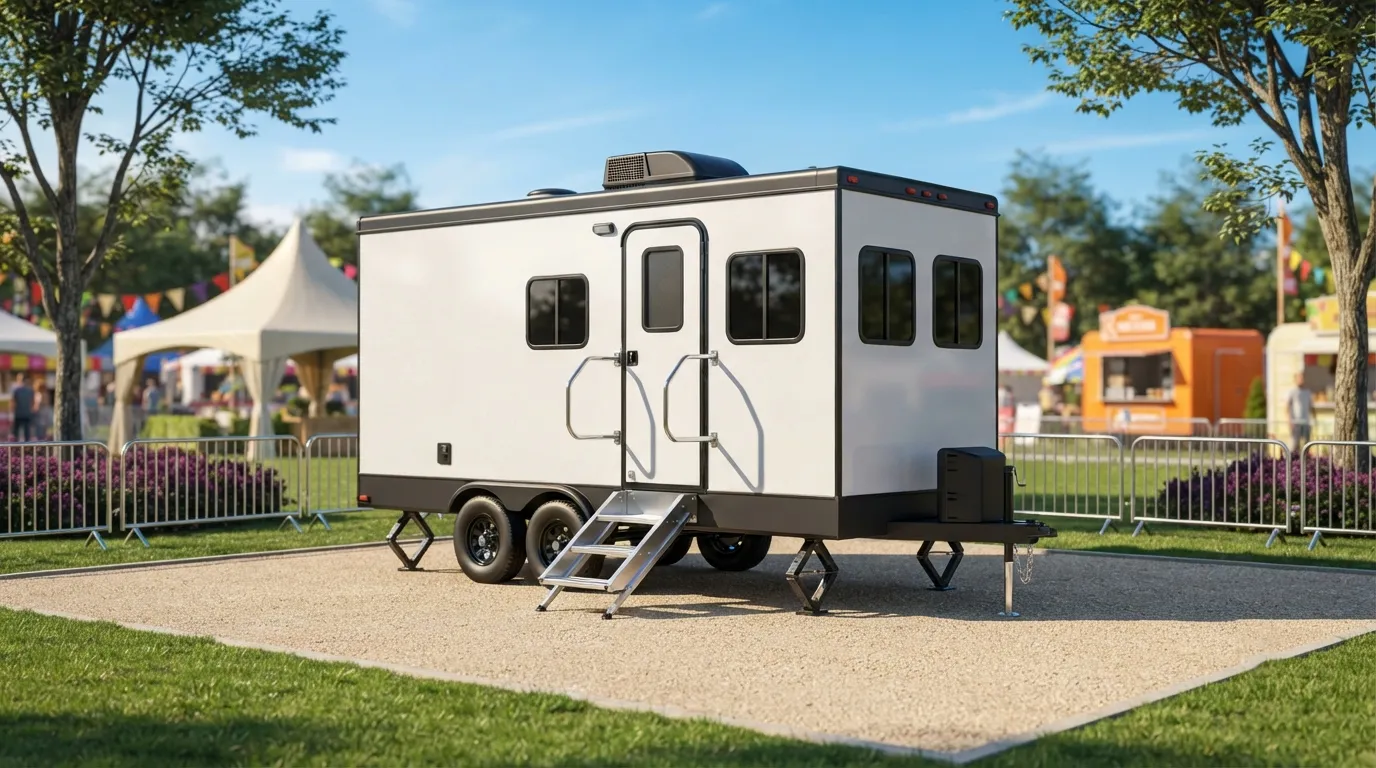
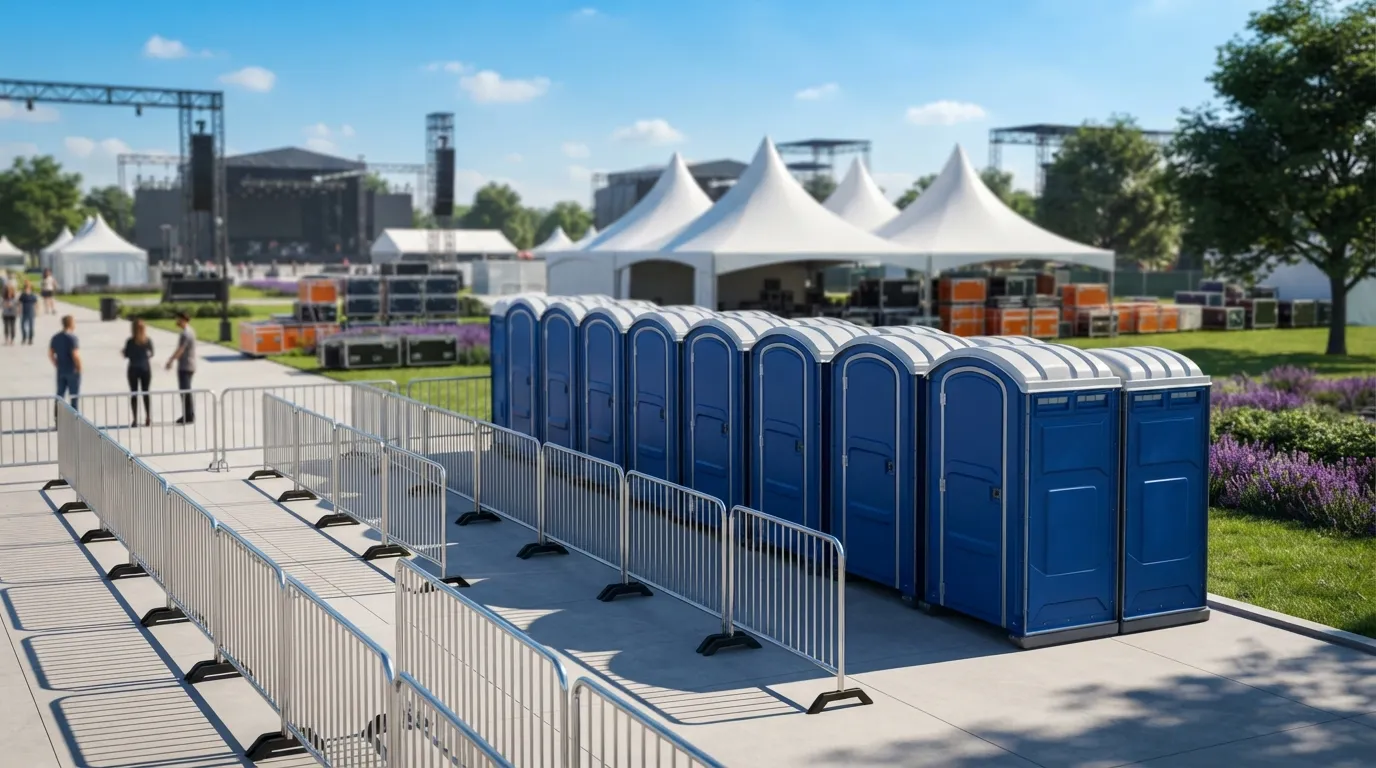
Paint, batteries, and electronics need a household hazardous waste facility or a dedicated recycler, not a dumpster and not the curb. Tires typically go back through a tire retailer or a dedicated collection point. Propane tanks can often be exchanged or returned to a supplier rather than disposed of outright. For jobsites generating grease or fats as waste, that's a separate stream entirely. Restaurants and food trucks working events in Corona should look at grease trap pumping instead of trying to dump anything oil-based. If your project also needs sanitation, Corona Porta Pros pairs dumpster service with portable restroom rental or a restroom trailer rental so the whole site is covered in one delivery window. Crews doing longer builds sometimes need both a storage container rental for materials and a dumpster for debris, delivered and picked up on the same run.
Common Questions
Can I put old paint cans in my dumpster?
No. Wet paint counts as household hazardous waste and Corona Porta Pros cannot legally accept it in a roll-off. Dried, empty cans with no liquid residue are sometimes fine, but check first. Take leftover liquid paint to a hazardous waste facility instead of risking a rejected load.
What happens if hazardous waste is found in my dumpster?
The load can be flagged at the transfer station, which delays pickup and adds cost. Corona Porta Pros will work with you to remove the item before it's a bigger problem, but repeated violations can mean an extra trip charge. Sort before you load, not after.
Can appliances go in a roll-off dumpster?
Appliances without refrigerant, like a broken dishwasher, usually go in fine. Refrigerators, freezers, and window AC units need refrigerant removal first, since Freon is a banned item. Ask when you book so the crew knows what to expect on pickup day.
Do I need a permit if my dumpster sits on the street?
That depends on where the container sits and how long it stays. Check dumpster permit requirements for what applies to your Corona address, since driveway placement and street placement are handled differently.
Can I mix yard waste with construction debris?
Usually yes, but heavy wet material like soil and green waste adds weight fast. Review dumpster weight limits before combining loads, especially on a smaller container ordered for a quick cleanup.
Next step
Get a delivery date
Tell us the address, the dates and the headcount. We size the order and confirm the route.